Max Verstappen Slams New 2026 Formula 1 Cars: Why F1 Fans Are Divided
Formula 1 has entered its most radical technical overhaul in years with the 2026 car regulations — a set of changes designed to reshape racing, sustainability, and manufacturer involvement. But not everyone in the paddock is thrilled.
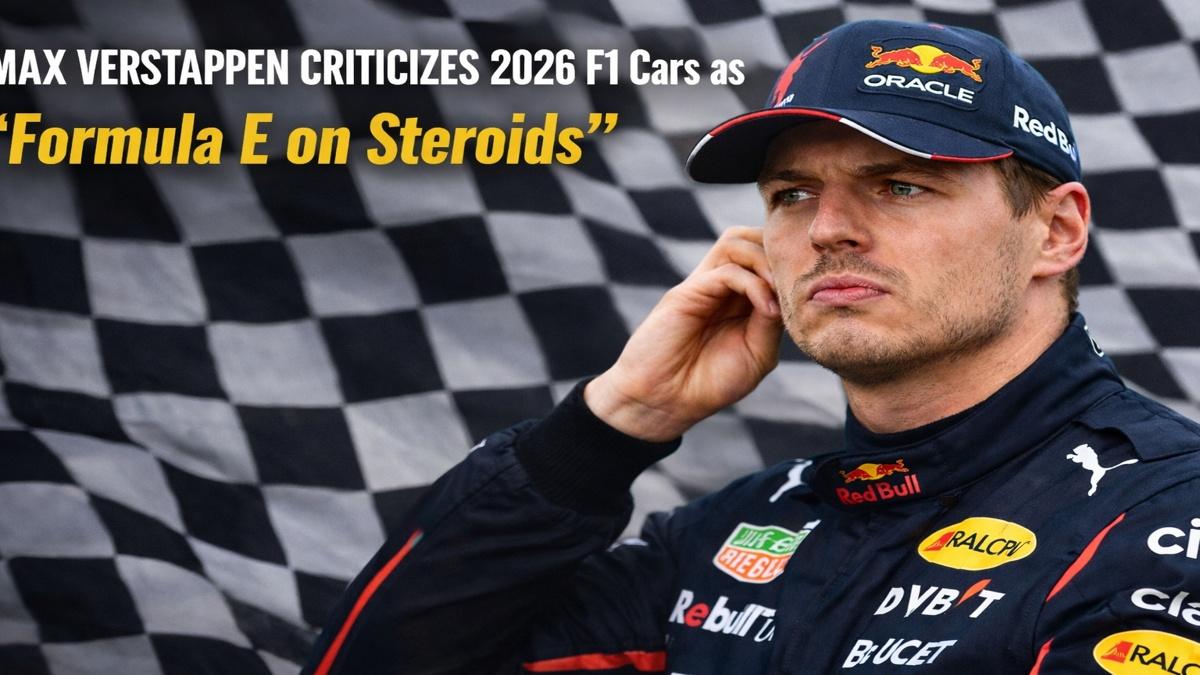
Four-time world champion Max Verstappen publicly criticized the new cars as “anti-racing” and compared them to “Formula E on steroids,” igniting a broader discussion among fans and insiders that is now dominating F1 headlines.
👉 Read the original ESPN article: Max Verstappen slams new 'anti-racing' F1 cars: 'Formula E on steroids'
What Verstappen Really Said About the 2026 Cars
At the Bahrain pre-season tests, Verstappen didn’t hold back. In interviews with the media, he made several blunt points:
- The new 2026 cars are “not fun to drive,” he said.
- He compared them directly to Formula E, describing them as “Formula E on steroids.”
- He explained that the new power unit era — with a near-50/50 hybrid split — forces drivers into constant energy management rather than pure driving.
“As a driver, the feeling is not very Formula 1-like … it feels a bit more like Formula E on steroids.” – Max Verstappen
He added that while the livery and proportions look good, “everything else is … anti-racing.”
Verstappen even suggested that if the regulations continue to dictate cars he doesn’t enjoy driving, it could influence his future in the sport — a statement that reverberated across F1 media.
Why 2026 Is So Different
To understand the backlash, it helps to see what’s changed.
According to technical analyses, key features of the 2026 regulations include:
- Smaller, lighter chassis with new aerodynamic philosophies
- Active aerodynamics and altered downforce profiles
- A 50/50 hybrid engine blend, emphasizing electrical energy management
- Removal of some traditional harvesting components like the MGU-H
These changes were introduced to boost manufacturer participation and advance sustainability goals, bringing new power units and partners into the sport.
But the effect on driving dynamics has been stark: drivers must now balance energy charging and deployment throughout a lap, which many say compromises the visceral feel and aggression fans expect from F1 racing.
Mixed Reactions from Drivers and the Paddock
Verstappen isn’t alone. Other drivers and pundits have also voiced concerns:
- Lewis Hamilton has echoed similar sentiments about the heavy emphasis on energy management and reduced “pure racing” feel.
- Critics argue the new cars feel more like energy management simulators than high-downforce racing machines.
- Others defend the regulations, saying every rule shift brings initial criticism before settling into improved racing.
This split reflects a broader tension between tradition and evolution in F1 — a sport that has always balanced technological progress with pure sporting spectacle.
What This Means for the 2026 F1 Season
As the season opener approaches, here are the key takeaways:
📌 Fan Expectations vs Reality
Many fans expected the 2026 generation to improve racing, but comments from top drivers have fueled skepticism. Verstappen’s critique — particularly comparing F1 cars to Formula E — quickly became a top viral talking point.
📌 Manufacturers Are Still Onboard
Despite criticism, the technical goals of 2026 have succeeded in attracting new entrants. Audi and others are now committed to the new era.
📌 Driver Comfort Matters
Verstappen’s candour highlights that even the greatest drivers care about more than winning — they want cars that feel inspiring to drive.
Final Thought: A Transitional Season
The 2026 F1 regulations aren’t going away, and for better or worse, teams and drivers must adapt. Whether these cars will produce memorable racing or push fans away remains to be proven on track.
But with Verstappen’s high-profile comments — and ESPN’s coverage fueling discussion — this regulatory overhaul is now one of the most contentious stories in modern Formula 1.